
Obiettivi | Certificazione | Contenuti | Tipologia | Prerequisiti | Durata e Frequenza | Docenti | Modalità di Iscrizione | Calendario
Il Corso AUTOCOR – Designing, Deploying and Managing Network Automation Systems è parte del percorso Cisco CCNP Automation e prepara i Partecipanti a progettare, implementare e gestire sistemi avanzati di network automation in ambienti enterprise moderni. Il percorso è orientato allo sviluppo di competenze pratiche per automatizzare configurazioni, validare cambiamenti di rete, integrare workflow operativi e gestire infrastrutture di rete secondo un approccio Infrastructure as Code (IaC). Durante il corso vengono trattate tecnologie e metodologie fondamentali per la network automation, tra cui Python, REST APIs, RESTCONF, YANG data models, Ansible, Terraform, Git, GitLab CI/CD, Cisco Modeling Labs (CML), pyATS, Model-Driven Telemetry, Docker Compose, TLS certificates e secure coding practices. Il programma approfondisce l’automazione di task di rete tramite script, API e strumenti IaC, includendo la gestione di configurazioni, VLAN, OSPF, ambienti di test, pipeline di validazione e deployment controllato delle modifiche. Il corso affronta inoltre l’integrazione dell’Artificial Intelligence nei processi di automazione di rete, con focus su Generative AI, Large Language Models (LLMs), AI agents, Ollama, MCP servers e strumenti AI-enhanced per supportare la creazione, il controllo e l’ottimizzazione di soluzioni automatizzate. Particolare attenzione viene dedicata agli aspetti operativi, alla troubleshooting automation, alla raccolta di dati tramite telemetry, alla containerization e alla sicurezza del codice utilizzato nei workflow di automazione. Il Corso contribuisce alla preparazione dell’esame di Certificazione CCNP Automation AUTOCOR (Esame 350-901).
Contattaci ora per ricevere tutti i dettagli e per richiedere, senza alcun impegno, di parlare direttamente con uno dei nostri Docenti (Clicca qui)
oppure chiamaci subito al nostro Numero Verde (800-177596).
Calling from abroad? Reach us at +39 02 87168254.
Obiettivi del corso
Di seguito una sintesi degli obiettivi principali del Corso Cisco AUTOCOR – Designing, Deploying and Managing Network Automation Systems:
- Valutare strumenti e approcci di network automation per ambienti enterprise complessi.
- Automatizzare configurazioni e task di rete con Python, REST APIs, RESTCONF, YANG, Ansible e Terraform.
- Implementare workflow Infrastructure as Code (IaC) con Git, GitLab CI/CD, Cisco Modeling Labs e pyATS.
- Gestire operations, troubleshooting, Model-Driven Telemetry, containerization con Docker Compose e secure coding practices.
- Integrare Generative AI, LLMs, AI agents e MCP servers nei processi di network automation.
Certificazione del corso
Esame 350-901 AUTOCOR Cisco Certified Specialist – Automation Core;
Questo esame verifica la capacità dell’esaminato di analizzare e applicare soluzioni di automazione basate su Infrastructure as Code (IaC), utilizzando strumenti e metodologie come Python, REST APIs, RESTCONF, YANG data models, Ansible, Terraform, Git e GitLab CI/CD. Vengono testate competenze relative alla gestione delle configurazioni di rete, al version control, alla creazione di pipeline automatizzate e alla validazione dei cambiamenti prima del deployment. Una parte significativa dell’esame riguarda le attività operative di automazione, inclusi Cisco Modeling Labs (CML), pyATS, Model-Driven Telemetry, troubleshooting dei workflow, log analysis, containerization con Docker Compose, secure coding practices, gestione delle credenziali, input validation, output sanitization e protezione delle comunicazioni tramite TLS certificates. L’esame include inoltre topic relativi all’integrazione dell’Artificial Intelligence nella network automation, con focus su Generative AI, Large Language Models (LLMs), AI agents, local LLM, Ollama, MCP servers e strumenti AI-enhanced applicati alla creazione, ottimizzazione e gestione di soluzioni automatizzate.
Contenuti del corso
Network Automation Toolkits
- Overview of modern network automation tools and frameworks
- Comparison of automation approaches for enterprise network environments
- Evaluation of tool selection based on scalability, maintainability, and operational needs
- Role of scripting, APIs, IaC, CI/CD, and validation tools in automated networks
- Integration of automation toolchains into network operations
Network Task Automation with Python
- Use of Python to automate common network administration tasks
- CLI-based automation for device interaction and configuration workflows
- Script structure, error handling, and reusable automation logic
- Management of network data, variables, and configuration inputs
- Automation of repetitive operational tasks across network devices
REST APIs in Network Automation
- Core concepts of REST APIs in network automation
- Use of API documentation to understand endpoints, methods, and payloads
- Authentication and secure interaction with network device APIs
- Automation of API calls using Python libraries such as requests
- Integration of REST APIs into network management workflows
Network Automation with Ansible
- Use of Ansible for network configuration automation
- Creation and execution of Ansible playbooks for network devices
- Management of inventories, variables, and reusable automation tasks
- Automation of configuration changes across multiple devices
- Application of Ansible in repeatable and controlled network workflows
Network Automation with Terraform
- Use of Terraform for network Infrastructure as Code
- Definition and management of network resources through declarative configuration
- Automation of infrastructure changes using Terraform workflows
- Management of router interfaces and network parameters as code
- Evaluation of Terraform for scalable and consistent network provisioning
Infrastructure as Code Implementation
- Principles of Infrastructure as Code (IaC) for network management
- Translation of network configurations into version-controlled code
- Automation of configuration deployment and infrastructure changes
- Management of consistency, repeatability, and rollback strategies
- Application of IaC practices to modern automated network environments
Network Change Tracking with Git
- Use of Git for tracking network configuration changes
- Version control concepts applied to network automation projects
- Management of repositories, commits, branches, and change history
- Collaboration and auditability in network automation workflows
- Integration of Git with CI/CD pipelines and automation processes
Configuration Change Deployment with CI Pipelines
- Design of GitLab CI/CD pipelines for network automation
- Automated validation and deployment of network configuration changes
- Pipeline stages for testing, approval, and controlled execution
- Integration of automation scripts, IaC tools, and validation checks
- Reduction of operational risk through repeatable deployment workflows
Cisco Modeling Labs Integration for Test Network Environments
- Use of Cisco Modeling Labs (CML) to create test network environments
- Design and deployment of virtual network topologies for automation testing
- Integration of CML topologies into automated workflows
- Use of simulated environments before production deployment
- Automation of test topology creation and lifecycle management
Network State Validation with pyATS
- Use of pyATS for network state validation and automated testing
- Creation of validation scripts for configuration and operational checks
- Comparison of expected and actual network state
- Integration of pyATS testing into CI/CD automation pipelines
- Support for pre-deployment and post-deployment network validation
Model-Driven Telemetry for Network Monitoring
- Concepts of Model-Driven Telemetry (MDT) for real-time network monitoring
- Use of telemetry streams to collect operational data from Cisco devices
- Configuration of telemetry using model-driven approaches
- Analysis of network state, performance, and operational behavior
- Integration of telemetry data into automated operations workflows
Network Automation Solution Troubleshooting
- Diagnosis of common failures in network automation workflows
- Use of structured logs from Python, Ansible, and RESTCONF integrations
- Identification of errors related to connectivity, authentication, data models, and payloads
- Troubleshooting of CI/CD pipelines and automated deployment processes
- Improvement of automation reliability through logging and validation
Secure Coding Practices for Network Automation
- Application of secure coding practices in automation scripts
- Input validation, credential protection, and output sanitization
- Management of sensitive data and secrets in automation workflows
- Reduction of risks related to insecure scripts and exposed credentials
- Security hardening of Python, API, and automation tool integrations
Network Automation Environment Containerization with Docker Compose
- Use of Docker Compose to build multi-service automation environments
- Containerization of automation components and supporting services
- Management of local development and testing environments
- Deployment of repeatable environments for automation workflows
- Integration of containers into network automation toolchains
Trusted TLS Certificates Deployment for Secure Communication
- Role of TLS certificates in securing web interfaces and APIs
- Generation, signing, and installation of trusted certificates
- Protection of communications between automation tools and services
- Certificate management for secure network automation environments
- Security considerations for API-driven and web-based automation systems
Generative AI for Network Automation
- Role of Generative AI in network automation script creation
- Use of AI tools to support automation design, code generation, and troubleshooting
- Evaluation of benefits and risks of AI-assisted network operations
- Review and validation of AI-generated automation outputs
- Practical use of AI to accelerate network automation workflows
AI Agents for Network Automation
- Concepts of AI agents applied to network operations
- Design of agents capable of interacting with tools, APIs, and network data
- Use of AI agents to support multi-step network automation tasks
- Evaluation of control, safety, and validation in agentic workflows
- Application of AI agents in operational and automation scenarios
LLM and MCP Server Integration
- Integration of Large Language Models (LLMs) with external automation capabilities
- Use of MCP servers to connect LLMs with tools and network workflows
- Deployment of local LLM environments using tools such as Ollama
- Development of AI-enhanced network automation tools
- Design of secure and controlled LLM-powered automation architectures
Attività Laboratoriali
- Use Python to Automate Common Network Tasks
- Explore REST API Documentation
- Automate API Calls with Python Requests
- Construct and Send RESTCONF Requests
- Automate the Device Configuration with RESTCONF
- Create a Network Automation Solution with Ansible
- Automate Network Infrastructure with Terraform
- Manage Router Interfaces as Code
- Start Tracking Your Network State with GitLab
- Build a GitLab CI Pipeline for Network Configuration
- Create a Testing Network Environment with Cisco Modeling Labs
- Build a Python Script to Launch Test Topologies in Cisco Modeling Labs
- Integrate Cisco Modeling Labs Topologies into CI Pipeline
- Create a Configuration Validation Tool with pyATS
- Integrate pyATS Testing into Automated Pipelines
- Set Up MDT on a Cisco Router Using YANG Suite
- Troubleshoot an Automation Script
- Harden an Automation Script
- Containerize Automation Components
- Set Up Local LLM with Ollama
- Build a Network Automation Tool with Python and Ollama
- Build and Launch a FastMCP Server
Tipologia
Corso di Formazione con Docente
Docenti
I docenti sono Istruttori accreditati CISCO e certificati in altre tecnologie IT, con anni di esperienza pratica nel settore e nella Formazione.
Infrastruttura laboratoriale
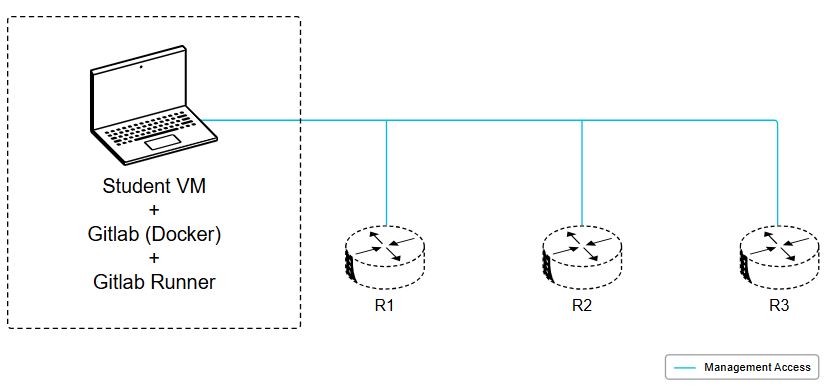
Per tutte le tipologie di erogazione, il Corsista può accedere alle attrezzature e ai sistemi reali Cisco presenti nei Nostri laboratori o direttamente presso i data center Cisco in modalità remota. Ogni partecipante dispone di un accesso per implementare le varie configurazioni avendo così un riscontro pratico e immediato della teoria affrontata. Ecco di seguito alcune topologie di rete dei Laboratori Cisco Disponibili:
Dettagli del corso
Prerequisiti
Si consiglia la partecipazione al Corso Python Developer e al Corso CCNA Automation.
Durata del corso
- Durata Intensiva 5gg;
Frequenza
Varie tipologie di Frequenza Estensiva ed Intensiva.
Date del corso
- Corso Cisco AUTOCOR (Formula Intensiva) – Su Richiesta – 9:00 – 17:00
Modalità di iscrizione
Le iscrizioni sono a numero chiuso per garantire ai tutti i partecipanti un servizio eccellente.
L’iscrizione avviene richiedendo di essere contattati dal seguente Link, o contattando la sede al numero verde 800-177596 o inviando una richiesta all’email [email protected].