
Obiettivi | Certificazione | Contenuti | Tipologia | Prerequisiti | Durata e Frequenza | Docenti | Modalità di Iscrizione | Calendario
Il Corso Kubernetes Developers CKAD è progettato per insegnare come utilizzare Kubernetes per distribuire, scalare e gestire le applicazioni containerizzate. Gli obiettivi del corso includono la comprensione dell’architettura e dei componenti di Kubernetes, l’interazione con un cluster Kubernetes tramite kubectl, l’uso di manifesti YAML per definire e distribuire applicazioni, l’implementazione di servizi di rete per esporre le applicazioni, la gestione dello storage per i dati delle applicazioni, l’implementazione di best practice di sicurezza e accesso, l’integrazione di Kubernetes con i processi di Continuous Integration e Continuous Deployment (CI/CD) e, infine, la preparazione per l’esame di Certificazione Kubernetes Application Developer CKAD.
Sintesi Statistica :
- Corsi realizzati: 60;
- Numero Corsisti: 438;
- Superamento Esame: 88,56%
Contattaci ora per ricevere tutti i dettagli e per richiedere, senza alcun impegno, di parlare direttamente con uno dei nostri Docenti (Clicca qui)
oppure chiamaci subito al nostro Numero Verde (800-177596).
Calling from abroad? Reach us at +39 02 87168254.
Obiettivi del corso
Di seguito una sintesi degli obiettivi principali del Corso Kubernetes Developer CKAD:
- Comprendere l’architettura di Kubernetes.
- Utilizzare manifesti YAML per applicazioni.
- Creare servizi di rete in Kubernetes.
- Gestire lo storage per applicazioni Kubernetes.
- Integrare Kubernetes nei processi CI/CD.
Certificazione del corso
Esame Certified Kubernetes Application Developer CKAD; Questo Esame valuta la capacità dei candidati di progettare, costruire, configurare e esporre applicazioni su Kubernetes. Copre argomenti come concetti fondamentali di Kubernetes, configurazione, design dei Pod multi-container, osservabilità, design dei Pod, servizi e networking, persistenza dello stato, sicurezza e gestione del ciclo di vita delle applicazioni. Questo esame è cruciale per dimostrare la competenza pratica nel campo dello sviluppo di applicazioni Kubernetes.
Contenuti del corso
Introduction to Kubernetes
- What is Kubernetes
- Key Features and Use Cases
- Kubernetes Object Model
- High-Level Architecture Overview
- Control Plane Components
- Worker Node Components (kubelet, kube-proxy, container runtime)
- Advantages of Kubernetes
Interacting with Kubernetes
- Kubernetes API Objects and Primitives
- Using kubectl Commands
- Managing Objects Imperatively
- Managing Objects Declaratively
- Hybrid Management Approach
- Choosing the Right Management Method
- Exploring and Navigating Namespaces
Pod Design and Management
- Creating and Managing Pods
- Pod Lifecycle and States
- Inspecting Logs and Events
- Debugging Pods and Containers
- Network Communication Between Pods
Jobs and CronJobs
- Running One-Off Tasks with Jobs
- Scheduled Tasks with CronJobs
- Controlling Completions, Parallelism, and History Limits
Multi-Container Pods
- Multi-Container Pod Use Cases
- Init Containers
- Sidecar, Ambassador, and Adapter Patterns
- Inter-Container Communication
Labels, Selectors, and Annotations
- Managing Labels
- Label Selectors for Targeting Resources
- Using and Reading Annotations
Application Deployment
- Creating and Managing Deployments
- Deployments vs. ReplicaSets
- Scaling Applications
- Rolling Updates and Rollbacks
- Common Deployment Strategies
- Use Cases and Trade-Offs
Configuration Management
- ConfigMaps
- Creating, Mounting, and Referencing
- Secrets
- Managing Sensitive Data
- Environment Variables vs. Volume Mounts
- Environment Variables and CLI Overrides
Resource Management
- Setting Resource Requests and Limits
- Quality of Service (QoS) Classes
- Resource Quotas and LimitRanges
Security Context and Access Control
- Defining Pod and Container Security Contexts
- Capabilities, User IDs, and Read-Only Filesystems
- RBAC: Roles, RoleBindings, and ClusterRoleBindings
- Service Accounts and Pod Authentication
- Admission Controllers Overview
Services and Networking
- Core Service Types: ClusterIP, NodePort, LoadBalancer
- Service Discovery and DNS Resolution
- Headless Services and Endpoints
- Exposing Applications Internally and Externally
Ingress and Network Policies
- Configuring Ingress Resources and Controllers
- Host- and Path-Based Routing
- Network Policies
- Controlling Pod Communication
Application Observability
- Probes: Readiness, Liveness, and Startup
- Designing for Health and Resilience
- Logging and Monitoring Basics
- Debugging with exec, Port Forwarding, and Logs
Custom Resources and Extensibility
- Custom Resource Definitions (CRDs)
- Managing and Using CRDs in Applications
- Controller Pattern Overview
Helm (Developer Focused)
- Managing Applications with Helm
- Installing and Upgrading Helm Charts
- When to Use Helm vs. Declarative YAML
Tipologia
Corso di Formazione con Docente
Docenti
I docenti sono Istruttori Certificati Kubernetes CKA e CKAD e certificati in altre tecnologie IT, con anni di esperienza pratica nel settore e nella Formazione.
Infrastruttura laboratoriale
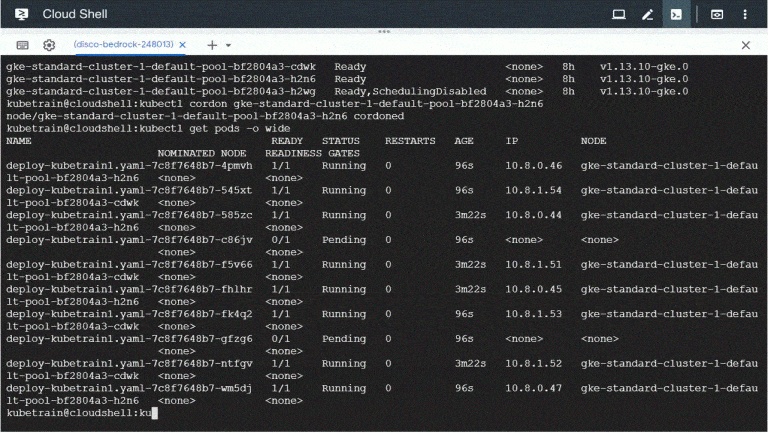
Per tutte le tipologie di erogazione, il Corsista può accedere alle attrezzature e ai sistemi presenti nei Nostri laboratori o direttamente presso i data center del Vendor o dei suoi provider autorizzati in modalità remota. Ogni partecipante dispone di un accesso per implementare le varie configurazioni avendo così un riscontro pratico e immediato della teoria affrontata. Ecco di seguito alcuni scenari tratti dalle attività laboratoriali:
Dettagli del corso
Prerequisiti
Conoscenza di base runtime dei container e dell’architettura dei microservizi.
Durata del corso
- Durata Intensiva 3gg;
Frequenza
Varie tipologie di Frequenza Estensiva ed Intensiva.
Date del corso
- Corso Kubernetes Developer CKAD (Formula Intensiva) – 27/04/2026 – 09:00 – 17:00
Modalità di iscrizione
Le iscrizioni sono a numero chiuso per garantire ai tutti i partecipanti un servizio eccellente.
L’iscrizione avviene richiedendo di essere contattati dal seguente Link, o contattando la sede al numero verde 800-177596 o inviando una richiesta all’email [email protected].