
Obiettivi | Certificazione | Contenuti | Tipologia | Prerequisiti | Durata e Frequenza | Docenti | Modalità di Iscrizione | Calendario
Il Corso WLCOR – Implementing and Operating Cisco Wireless Core Technologies è parte del percorso Cisco CCNP Wireless. L’obiettivo principale di questo corso è sviluppare nei Partecipanti competenze professionali per implementare, configurare, gestire e monitorare reti Cisco enterprise wireless. Il corso affronta le tecnologie wireless core necessarie per progettare infrastrutture Wi-Fi sicure, performanti e scalabili, con attenzione sia agli aspetti radio sia alla gestione operativa delle piattaforme Cisco. Durante il corso vengono trattati temi fondamentali come wireless governance, RF propagation, RF mathematics, antenna theory, protocolli 802.11ax e 802.11be, architetture wireless enterprise, physical wireless network design e deployment dell’infrastruttura. Il programma include la configurazione di Cisco Catalyst 9800 Series Wireless LAN Controllers (WLCs), Cisco access points, Cisco Meraki platforms, WLAN settings, secure client connectivity, management access, client policies e client device configuration. Il percorso approfondisce inoltre la sicurezza delle reti wireless, includendo WLAN security, local authentication, external authentication, client roaming, guest networking e gestione delle policy di accesso. Ampio spazio è dedicato alle operations, al monitoring e al troubleshooting, con l’utilizzo di Cisco Catalyst Center, wireless performance monitoring, wireless security monitoring, client monitoring, packet capture, wireless frame analysis, diagnostica degli errori di client connectivity e risoluzione degli AP join failures. Il corso introduce anche l’uso di APIs, scripting, automation e funzionalità AI-enhanced applicate agli ambienti Wi-Fi, per migliorare efficienza operativa, monitoraggio, analisi e gestione delle reti wireless moderne. Il Corso contribuisce alla preparazione dell’esame di Certificazione CCNP Wireless (Esame 350-101).
Contattaci ora per ricevere tutti i dettagli e per richiedere, senza alcun impegno, di parlare direttamente con uno dei nostri Docenti (Clicca qui)
oppure chiamaci subito al nostro Numero Verde (800-177596).
Calling from abroad? Reach us at +39 02 87168254.
Obiettivi del corso
Di seguito una sintesi degli obiettivi principali del Corso WLCOR – Implementing and Operating Cisco Wireless Core Technologies:
- Analizzare wireless governance, architetture Wi-Fi enterprise, RF behavior, channel behavior e principi di network design.
- Applicare concetti di RF mathematics, antenna theory, 802.11ax e 802.11be per ottimizzare performance e copertura wireless.
- Configurare Cisco Catalyst 9800 WLCs, Cisco access points, Cisco Meraki platforms, WLAN settings, client policies e secure client connectivity.
- Implementare WLAN security, local authentication, external authentication, roaming, guest networking e access policies.
- Utilizzare Cisco Catalyst Center, packet capture, wireless frame analysis, APIs, scripting e AI-enhanced features per monitoring, automation e troubleshooting.
Certificazione del corso
Esame 350-101 WLCOR Cisco Certified Specialist – Wireless Core;
Esame Parte della Certificazione CCNP Wireless; L’esame verifica la capacità dell’esaminato di analizzare i fondamenti delle comunicazioni wireless, inclusi wireless governance, RF propagation, channel behavior, RF mathematics, antenna theory e protocolli Wi-Fi moderni come 802.11ax e 802.11be. Sono testate competenze relative alla progettazione e all’implementazione di architetture wireless enterprise, physical infrastructure, topologie di rete, copertura, capacità e performance. Una parte rilevante riguarda la configurazione e la gestione di Cisco Catalyst 9800 Series WLCs, Cisco access points, Cisco Meraki platforms, WLAN settings, client connectivity, client policies e secure management access. L’esame copre inoltre WLAN security, local authentication, external authentication, guest networking, roaming protocols e gestione dei client su diversi operating systems. Il candidato deve dimostrare competenze anche su monitoring, management e troubleshooting tramite Cisco Catalyst Center, performance monitoring, security monitoring, client monitoring, packet capture, wireless frame analysis e strumenti diagnostici per analizzare client connectivity issues e AP join failures. Sono inclusi anche topic relativi ad APIs, scripting, automation e funzionalità AI-enhanced applicate alle operations wireless, con focus sull’efficienza operativa, sull’analisi dei dati e sulla gestione intelligente delle reti Wi-Fi enterprise.
Contenuti del corso
Wireless Foundation Review
- Core concepts of enterprise wireless networking
- Wireless governance, network roles, and design principles
- Evolution of legacy wireless protocols and technologies
- Main components of Cisco wireless architectures
- Relationship between wireless design, performance, and operations
Radio Frequencies Review
- Fundamentals of radio frequency (RF) behavior
- RF propagation characteristics in wireless environments
- Channel behavior, interference, and signal quality considerations
- Impact of physical obstacles on wireless coverage and performance
- RF analysis for troubleshooting wireless performance issues
RF Mathematics and Antenna Theory Review
- Core principles of RF mathematics
- Relationship between power levels, signal strength, and coverage
- Antenna theory and antenna selection criteria
- Impact of antenna gain, directionality, and placement
- Use of RF calculations to optimize wireless network performance
Modern Wi-Fi Protocols
- Overview of modern Wi-Fi protocols
- Key features of 802.11ax and 802.11be
- Protocol improvements for capacity, efficiency, and performance
- Support for high-density enterprise wireless environments
- Evaluation of protocol behavior in modern wireless deployments
Physical Wireless Networks
- Design of physical wireless network infrastructure
- Access point placement and coverage planning
- Cabling, mounting, power, and deployment considerations
- Site-specific factors affecting wireless implementation
- Physical infrastructure requirements for enterprise Wi-Fi
Cisco Wireless Network Installation and Configuration
- Initial setup of Cisco wireless networks
- Configuration of Cisco Catalyst 9800 Series WLCs
- Deployment and configuration of Cisco access points
- WLAN settings for secure client connectivity
- Basic validation of wireless network functionality
Wireless Network Operation
- Operational management of Cisco wireless networks
- Configuration of management access and operational policies
- Use of controller-based workflows for wireless operations
- Monitoring of network behavior, clients, and access points
- Maintenance of stable and secure wireless services
Wireless Client Identification and Configuration
- Identification of wireless client capabilities
- Configuration of client connectivity across different operating systems
- Management of client rules and access policies
- Client onboarding and connectivity validation
- Troubleshooting of client behavior and connection issues
Wireless Network Security and Local Authentication
- Configuration of WLAN security mechanisms
- Use of local authentication on wireless controllers
- Security settings for client access and network protection
- Policy configuration for secure wireless connectivity
- Validation of local authentication and access behavior
External Authentication for Wireless Networks
- Integration of external authentication services
- Configuration of external WLAN authentication workflows
- Use of authentication mechanisms for enterprise wireless access
- Policy enforcement through external identity systems
- Troubleshooting of authentication-related connectivity issues
Extend the Wireless Network
- Implementation of client roaming protocols
- Configuration of guest networking services
- Extension of wireless services across enterprise environments
- Support for seamless client mobility
- Validation of roaming and guest access behavior
Cisco Wireless Network Management
- Use of Cisco Catalyst Center for wireless network management
- Integration of wireless infrastructure into centralized management tools
- Unified visibility of controllers, access points, and clients
- Configuration and operational monitoring through management platforms
- Management workflows for enterprise wireless environments
Wireless Network Monitoring
- Monitoring of wireless performance and health
- Use of Cisco Catalyst Center for performance monitoring
- Security monitoring for wireless environments
- Client monitoring and operational visibility
- Detection of anomalies and service degradation
APIs and AI with Wi-Fi
- Use of APIs for wireless network automation
- Role of scripting in efficient network management
- AI-enhanced features for wireless operations
- Use of automation to support monitoring and troubleshooting
- Intelligent workflows for improving operational efficiency
Wireless Network Analysis
- Analysis of wireless frames using packet capture tools
- Interpretation of wireless traffic behavior
- Use of diagnostic tools for performance and connectivity analysis
- Identification of protocol, client, and RF-related issues
- Support for root cause analysis in enterprise Wi-Fi networks
Troubleshoot Wireless Network
- Systematic troubleshooting methodologies for wireless networks
- Diagnosis of client connectivity issues
- Troubleshooting of AP join failures
- Use of packet analysis and diagnostic outputs
- Resolution of performance, authentication, and connectivity problems
Wireless Regulations
- Overview of wireless governance and regulatory requirements
- Legal and compliance considerations for wireless deployments
- Impact of regional regulations on wireless network design
- Channel, power, and spectrum usage constraints
- Alignment of wireless operations with compliance requirements
RF Foundations
- Foundational components of wireless communication
- RF signal behavior and transmission principles
- Relationship between RF characteristics and network performance
- Basic RF concepts used in wireless design and troubleshooting
- Practical interpretation of RF behavior in enterprise environments
Wireless Mathematics and Antenna Theory
- Mathematical principles used in wireless communications
- Signal strength, power, attenuation, and coverage calculations
- Antenna behavior, gain, pattern, and placement considerations
- Use of antenna theory for wireless design decisions
- Optimization of wireless performance through RF planning
Wireless Protocol Foundations
- Core wireless protocol concepts and functions
- Role of wireless protocols in client connectivity and data transmission
- Protocol behavior across different wireless network scenarios
- Relationship between protocol features and network performance
- Foundation for understanding modern Wi-Fi operations
Scripting Theory
- Role of scripting in wireless network management
- Basic scripting concepts for automation workflows
- Use of scripts to improve operational efficiency
- Interaction between scripts, APIs, and wireless management tools
- Automation concepts for repeatable wireless operations
Attività Laboratoriali
- Configure Physical Infrastructure of a Wireless Network
- Configure Initial Setup of Cisco Wireless Network
- Configure WLAN Settings for Client Connectivity
- Configure and Secure Dashboard Management Access
- Configure Client Management Rules and Policies
- Configure Client Connectivity Simulation
- Configure Local Authentication on the Catalyst 9800 WLC
- Configure External Authentication for Wireless Networks
- Configure Guest Networking
- Investigate Cisco Catalyst Center
- Monitor Wireless Network Performance With Cisco Catalyst Center
- Monitor Wireless Network Security With Cisco Catalyst Center
- Explore Client Monitoring In Cisco Catalyst Center
- Configure Wireless API Functionality
- Cisco Catalyst Center AI Capabilities
- Analyze Wireless Frames
- Troubleshoot Client Connectivity Issues
- Troubleshoot AP Join Issues
Tipologia
Corso di Formazione con Docente
Docenti
I docenti sono Istruttori accreditati CISCO e certificati in altre tecnologie IT, con anni di esperienza pratica nel settore e nella Formazione.
Infrastruttura laboratoriale
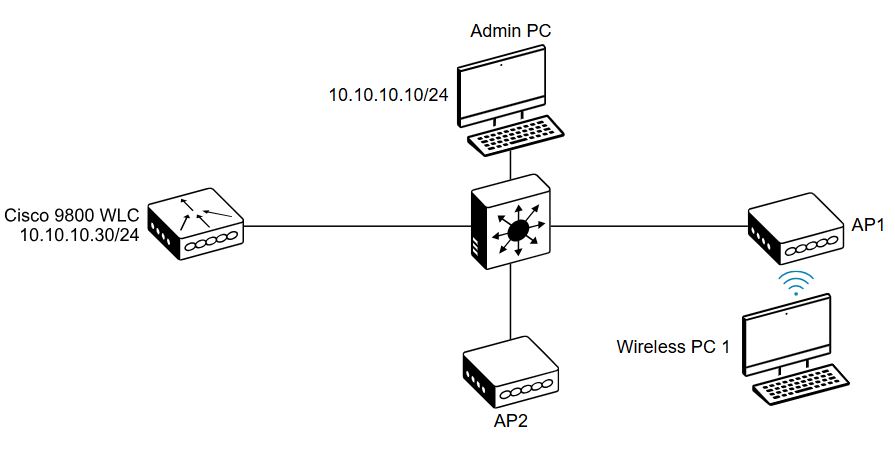
Per tutte le tipologie di erogazione, il Corsista può accedere alle attrezzature e ai sistemi reali Cisco presenti nei Nostri laboratori o direttamente presso i data center Cisco in modalità remota h24. Ogni partecipante dispone di un accesso per implementare le varie configurazioni avendo così un riscontro pratico e immediato della teoria affrontata. Ecco di seguito alcune topologie di rete dei Laboratori Cisco Disponibili:
Dettagli del corso
Prerequisiti
Si consiglia la partecipazione al Corso Cisco CCNA nonché la partecipazione al Corso Cisco WLFNDU.
Durata del corso
Durata Intensiva 5gg;
Frequenza
Varie tipologie di Frequenza Estensiva ed Intensiva.
Date del corso
- Corso Cisco WLCOR (Formula Intensiva) – Su Richiesta – 09:00 – 17:00
Modalità di iscrizione
Le iscrizioni sono a numero chiuso per garantire ai tutti i partecipanti un servizio eccellente.
L’iscrizione avviene richiedendo di essere contattati dal seguente Link, o contattando la sede al numero verde 800-177596 o inviando una richiesta all’email [email protected].