
Obiettivi | Certificazione | Contenuti | Tipologia | Prerequisiti | Durata e Frequenza | Docenti | Modalità di Iscrizione | Calendario
Il Corso DCNAUTO – Automating Cisco Data Center Networking Solutions è parte del percorso Cisco CCNP Automation e prepara i Partecipanti a implementare e ottimizzare soluzioni di network automation negli ambienti Cisco Data Center, con particolare attenzione alle piattaforme Cisco Nexus, alla programmability di NX-OS e agli strumenti moderni utilizzati per automatizzare switching, fabric controller, configurazioni e operations. Il corso fornisce una visione pratica dell’automazione applicata alle reti Data Center, partendo dai concetti fondamentali di programmability fino all’utilizzo di workflow avanzati basati su API, Infrastructure as Code e validazione automatizzata. Durante il corso vengono trattate tecnologie e strumenti come Cisco Nexus 9000, Cisco NX-OS, PowerOn Auto Provisioning (POAP), Bash, Guest Shell, Python, NX-API CLI, NX-API REST, NETCONF, RESTCONF, YANG data models, gRPC, Git, GitHub, Ansible, Terraform, Jinja2 Templates, Cisco ACI, Cisco Nexus Dashboard, NDFC, Cisco Modeling Labs, Cisco ACI Simulator, pyATS, Genie, Model-Driven Telemetry, container workloads e strumenti di AI-assisted operations. Il programma approfondisce sia l’automazione on-box sia quella off-box, includendo l’integrazione con API, la gestione delle configurazioni, la simulazione di topologie Data Center, la validazione dei cambiamenti di rete e il troubleshooting dei workflow automatizzati. Il corso affronta inoltre l’utilizzo di AI-assisted coding, AI-driven monitoring, AI security considerations e AI agent integration, evidenziando come le tecnologie Artificial Intelligence e Machine Learning possano supportare automation, monitoring, anomaly detection e lifecycle management negli ambienti Cisco Data Center. Il Corso contribuisce alla preparazione dell’esame di Certificazione CCNP Automation DCNAUTO (Esame 300-635).
Contattaci ora per ricevere tutti i dettagli e per richiedere, senza alcun impegno, di parlare direttamente con uno dei nostri Docenti (Clicca qui)
oppure chiamaci subito al nostro Numero Verde (800-177596).
Calling from abroad? Reach us at +39 02 87168254.
Obiettivi del corso
Di seguito una sintesi degli obiettivi principali del Corso DCNAUTO – Automating Cisco Data Center Networking Solutions:
- Implementare network automation in ambienti Cisco Data Center utilizzando piattaforme Cisco Nexus e funzionalità di NX-OS programmability.
- Automatizzare configurazioni e operations con Python, Bash, Guest Shell, NX-API, NETCONF, RESTCONF, YANG e gRPC.
- Gestire workflow Infrastructure as Code con Git, GitHub, Ansible, Terraform, Jinja2, Cisco ACI, NDFC e Cisco Nexus Dashboard.
- Validare e testare cambiamenti di rete tramite Cisco Modeling Labs, Cisco ACI Simulator, pyATS, Genie e Model-Driven Telemetry.
Certificazione del corso
Esame 300-635 DCNAUTO Cisco Certified Specialist – Data Center Networking Automation;
Questo esame valuta le competenze del candidato nell’implementazione di soluzioni automatizzate per ambienti Cisco Data Center, con focus su network element programmability, Infrastructure as Code, operations e utilizzo dell’AI nei processi di automazione. Il superamento dell’esame consente di ottenere la certificazione Cisco Certified Specialist – Data Center Networking Automation e soddisfa il requisito concentration per i percorsi Cisco CCNP Data Center e Cisco CCNP Automation. L’esame verifica la capacità dell’esaminato di applicare concetti di programmability e automazione su piattaforme Cisco Nexus e Cisco NX-OS, utilizzando strumenti e tecnologie come POAP, Bash, Guest Shell, Python, NX-API CLI, NX-API REST, NETCONF, RESTCONF, YANG data models, gRPC, JSON, XML e YAML. Sono testate competenze relative alla gestione di workflow Infrastructure as Code, version control e automazione delle configurazioni tramite Git, GitHub, Ansible, Terraform, Jinja2 Templates, Cisco ACI, Cisco Nexus Dashboard e NDFC. Il candidato deve inoltre dimostrare capacità di validare cambiamenti di rete e stati operativi attraverso Cisco Modeling Labs, Cisco ACI Simulator, pyATS, Genie e Model-Driven Telemetry. L’esame copre anche operations e troubleshooting, inclusa la risoluzione di problemi legati a infrastructure automation, container workloads connectivity e workflow automatizzati. Sono inoltre inclusi topic relativi ad AI-assisted coding, AI-driven monitoring, anomaly detection, AI security considerations e AI agent integration applicati alla Data Center automation.
Contenuti del corso
Day-Zero Provisioning
- Concepts and objectives of Day-Zero Provisioning in Cisco Data Center environments
- Use of PowerOn Auto Provisioning (POAP) on Cisco Nexus devices
- Automated bootstrap of device configuration and initial setup
- Reduction of manual CLI operations during device onboarding
- Validation of provisioning workflows before operational deployment
On-Box Automation with Cisco NX-OS
- Use of on-box automation features available in Cisco NX-OS
- Enabling and using Bash Shell and Guest Shell on Cisco Nexus devices
- Execution of Linux commands inside Guest Shell
- Interaction between Guest Shell, NX-OS, and external services
- Enhancement of operational workflows through local automation capabilities
Cisco Nexus Automation with NX-API CLI
- Introduction to NX-API CLI for Cisco Nexus automation
- Execution of CLI commands through programmable API interfaces
- Use of structured payloads to interact with NX-OS devices
- Automation of configuration and verification tasks through NX-API CLI
- Testing and validation of API calls using NX-API Developer Sandbox
Cisco Nexus Programmability with NX-API REST
- Use of NX-API REST for Cisco Nexus programmability
- Interaction with NX-OS through REST-based API calls
- Construction and management of JSON and XML payloads
- Development of Python scripts to send and validate NX-API REST requests
- Verification of device responses and automation results
Model-Driven Programmability on NX-OS
- Concepts of model-driven programmability in Cisco NX-OS
- Use of NETCONF, RESTCONF, and YANG data models
- Configuration and verification of network protocols through model-driven APIs
- Construction and validation of Python scripts using NX-OS APIs
- Introduction to structured data formats for automated network configuration
IaC Tools
- Overview of Infrastructure as Code (IaC) tools for Data Center automation
- Use of Ansible for task-based configuration automation
- Use of Terraform for declarative infrastructure management
- Role of Jinja2 Templates in automated configuration generation
- Selection of IaC tools based on operational and architectural requirements
IaC Lifecycle
- Lifecycle stages of Infrastructure as Code in network automation
- Use of Git and GitHub for version control and change tracking
- Management of configuration files, commits, branches, and repositories
- Review, validation, and deployment of infrastructure changes
- Integration of IaC workflows into Data Center operations
Cisco NX-OS Automation with IaC Tools
- Automation of Cisco NX-OS configurations using Ansible
- Management of Cisco Nexus infrastructure with Terraform
- Generation of reusable configuration templates with Jinja2
- Deployment of consistent configurations across NX-OS devices
- Validation of IaC-driven changes in Cisco Nexus environments
Cisco ACI Automation with IaC Tools
- Automation of Cisco ACI configuration using Ansible and Terraform
- Management of tenants, policies, contracts, and application profiles
- Implementation of NetDevOps workflows for Cisco ACI environments
- Use of reusable code to standardize ACI provisioning
- Validation and troubleshooting of automated ACI configuration changes
Cisco Nexus Dashboard Automation with IaC Tools
- Automation of Cisco Nexus Dashboard and NDFC operations
- Use of NDFC REST APIs for fabric automation tasks
- Creation and management of Data Center fabrics with Ansible
- Deployment and modification of NDFC fabric resources with Terraform
- Integration of Nexus Dashboard automation into operational workflows
Simulation of Data Center Topologies
- Use of Cisco Modeling Labs (CML) for Data Center topology simulation
- Creation of virtual network environments for testing automation workflows
- Simulation of Cisco Data Center network scenarios before production changes
- Use of Cisco ACI Simulator for ACI-related testing and validation
- Reduction of deployment risk through lab-based validation
Network Change Validation with pyATS
- Use of Cisco pyATS and Genie for network validation
- Capture and comparison of network state before and after changes
- Development of automated test cases with pyATS and Python
- Verification of device configuration, operational state, and expected behavior
- Integration of validation checks into automation workflows
Model-Driven Telemetry Implementation
- Concepts of Model-Driven Telemetry in Data Center networks
- Configuration of telemetry subscriptions for real-time operational data
- Collection of structured telemetry from Cisco Nexus devices
- Use of telemetry data for monitoring and operational visibility
- Support for proactive troubleshooting and automation-driven operations
Troubleshoot Infrastructure Automation
- Troubleshooting of Infrastructure as Code and automation workflows
- Identification of errors in scripts, templates, API calls, and tool integrations
- Analysis of failed automation tasks and configuration deployment issues
- Use of logs and validation outputs to isolate root causes
- Improvement of automation reliability through structured troubleshooting
Troubleshoot Container Workloads Connectivity
- Troubleshooting connectivity issues for containerized workloads
- Analysis of network behavior affecting container-based applications
- Verification of routing, switching, policy, and service connectivity
- Identification of problems related to workload placement and network paths
- Support for reliable Data Center connectivity in container environments
AI-Assisted Coding
- Use of AI-assisted coding to support network automation development
- Generation and refinement of scripts, templates, and API calls
- Review of AI-generated code for accuracy, security, and maintainability
- Application of AI tools to accelerate troubleshooting and development tasks
- Validation of AI-assisted outputs before operational use
AI Security Considerations
- Security risks related to AI-assisted automation workflows
- Protection of credentials, sensitive data, and configuration information
- Validation of AI-generated scripts and recommendations
- Mitigation of risks related to inaccurate, unsafe, or exposed outputs
- Governance considerations for AI usage in Data Center automation
AI Agent Integration
- Concepts of AI agent integration in network automation workflows
- Use of AI agents to support operational and automation tasks
- Interaction between AI agents, APIs, telemetry, and network tools
- Correlation of AI insights with automated remediation actions
- Control, validation, and governance of AI-enhanced automation processes
Attività Laboratoriali
- Set Up PowerOn Auto Provisioning on the Cisco Nexus 9000
- Use Bash and Guest Shell on Cisco NX-OS
- Use Python to Enhance CLI Commands
- Make NX-API Calls with NX-API Sandbox
- Configure and Verify NX-OS Using Python
- Set Up API Calls with Bruno
- Use NX-API REST with Python
- Configure and Verify Using NETCONF, RESTCONF, and YANG
- Construct gRPC Payload
- Track Changes with Git and GitHub
- Use Ansible with Cisco NX-OS
- Use Terraform with Cisco NX-OS
- Generate Configuration Using Jinja2 Templates
- Manage ACI Configuration Using Ansible
- Set Up a New Tenant the NetDevOps Way
- Automate ACI with Terraform
- Automate NDFC with REST API and Python
- Retrieve NX-OS Health Data Using Cisco Nexus Dashboard
- Create NDFC Fabric with Ansible
- Automate NDFC with Terraform
- Explore Cisco Modeling Labs Basics
- Simulate Data Center Network with Cisco Modeling Labs
- Cisco ACI Simulator Installation and Initialization Simulation
- Capture and Compare Network State with pyATS CLI
- Run Network Tests Using pyATS and Python
- Configure a Subscription for Model-Driven Telemetry
- Troubleshoot Infrastructure as Code
- Troubleshoot Linux Container Connectivity
- AI Toolset—Jupyter Notebook
- Al-Driven Monitoring Using Nexus Dashboard Simulation
Tipologia
Corso di Formazione con Docente
Docenti
I docenti sono Istruttori accreditati CISCO e certificati in altre tecnologie IT, con anni di esperienza pratica nel settore e nella Formazione.
Infrastruttura laboratoriale
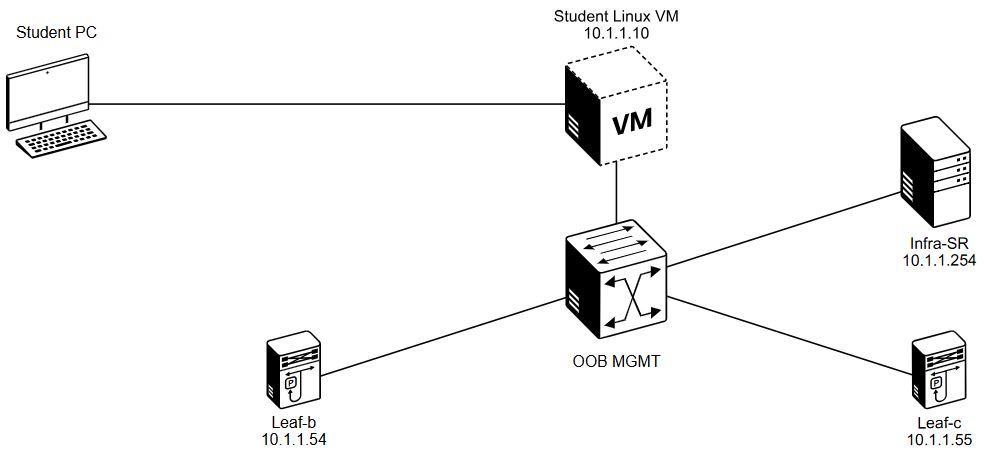
Per tutte le tipologie di erogazione, il Corsista può accedere alle attrezzature e ai sistemi reali Cisco presenti nei Nostri laboratori o direttamente presso i data center Cisco in modalità remota. Ogni partecipante dispone di un accesso per implementare le varie configurazioni avendo così un riscontro pratico e immediato della teoria affrontata. Ecco di seguito alcune topologie di rete dei Laboratori Cisco Disponibili:
Dettagli del corso
Prerequisiti
Si consiglia la partecipazione al Corso Cisco CCNA e VMware.
Durata del corso
- Durata Intensiva 5gg;
Frequenza
Varie tipologie di Frequenza Estensiva ed Intensiva.
Date del corso
- Corso Cisco DCNAUTO (Formula Intensiva) – Su Richiesta – 9:00 – 17:00
Modalità di iscrizione
Le iscrizioni sono a numero chiuso per garantire ai tutti i partecipanti un servizio eccellente.
L’iscrizione avviene richiedendo di essere contattati dal seguente Link, o contattando la sede al numero verde 800-177596 o inviando una richiesta all’email [email protected].