
Obiettivi | Certificazione | Contenuti | Tipologia | Prerequisiti | Durata e Frequenza | Docenti | Modalità di Iscrizione | Calendario
Il Corso AZ-500 Azure Security Technologies (Secure cloud resources with Microsoft security technologies) è progettato per partecipanti che devono implementare, gestire e monitorare controlli di sicurezza su risorse Microsoft Azure in ambienti cloud, hybrid e multi-cloud, con un approccio end-to-end allineato a best practice e standard come il Microsoft Cloud Security Benchmark (MCSB). Il percorso parte dalla protezione di identity and access, includendo gestione di built-in e custom roles, Microsoft Entra Privileged Identity Management (PIM), MFA, Conditional Access, enterprise applications, app registrations, service principals e managed identities. Prosegue con la sicurezza di rete: design e implementazione di NSG/ASG, Azure Virtual Network Manager, UDR, peering/VPN gateway, Azure Virtual WAN (secured virtual hub), security per VPN (P2S/S2S) ed encryption su ExpressRoute, fino a protezione per public/private access con Service Endpoints, Private Endpoints, Private Link, integrazioni di rete per Azure App Service/Azure Functions, App Service Environment (ASE) e Azure SQL Managed Instance, oltre a protezioni per esposizione pubblica con TLS, Azure Firewall (Firewall Manager e policies), Application Gateway, Azure Front Door/CDN, WAF e Azure DDoS Protection Standard. L’area compute e data security copre accesso sicuro alle VM con Azure Bastion e JIT, security per AKS (network isolation, authentication, monitoring), hardening e monitoring per ACI/ACA, access control su ACR, encryption (ADE, encryption at host, confidential disk encryption) e security considerations per API Management; include inoltre storage security (access control, keys, Azure Files/Blob, immutable storage, versioning, soft delete, BYOK, double encryption) e database security per Azure SQL (Entra authentication, auditing, dynamic data masking, TDE, Always Encrypted). La parte finale consolida governance e threat protection con Azure Key Vault, posture management e compliance in Microsoft Defender for Cloud, integrazioni multi-cloud, Defender External Attack Surface Management (EASM), workload protection plans, DevOps Security, e security operations con Microsoft Sentinel (data connectors, analytics rules, automation) e workflow automation, oltre a data collection con DCRs in Azure Monitor. Il Corso contribuisce alla preparazione dell’esame di Certificazione Azure Security Engineer Associate.
Contattaci ora per ricevere tutti i dettagli e per richiedere, senza alcun impegno, di parlare direttamente con uno dei nostri Docenti (Clicca qui)
oppure chiamaci subito al nostro Numero Verde (800-177596).
Calling from abroad? Reach us at +39 02 87168254.
Obiettivi del corso
Di seguito una sintesi degli obiettivi principali del Corso Azure Security Technologies AZ-500:
- Implementare identity security con Microsoft Entra ID, PIM, MFA, Conditional Access, service principals e managed identities.
- Progettare e applicare network security con NSG/ASG, Private Link/Private Endpoints, Azure Firewall, WAF, Front Door e DDoS Protection.
- Mettere in sicurezza compute e container workloads con Bastion/JIT, AKS security, ACR/ACI/ACA monitoring e disk encryption options.
- Proteggere data e platform services con storage security (BYOK, immutable storage, access control) e Azure SQL security (TDE, auditing, data masking).
- Gestire posture, compliance e security operations con Defender for Cloud, Key Vault, Azure Monitor (DCRs) e Microsoft Sentinel (connectors, analytics, automation).
Certificazione del corso
Esame AZ-500 Microsoft Azure Security Technologies; Questo esame valuta le competenze del candidato nell’implementazione e gestione di controlli di sicurezza per risorse Azure in contesti cloud, hybrid e multi-cloud. I topics testati includono Secure identity and access, con gestione di built-in/custom roles, Microsoft Entra PIM, MFA, Conditional Access, enterprise applications, app registrations, service principals e managed identities. La sezione Secure networking copre design e implementazione di NSG/ASG, UDR, peering/VPN gateway e Azure Virtual WAN (secured hub), security per VPN (P2S/S2S) ed encryption su ExpressRoute, oltre a private access con Service Endpoints, Private Endpoints e Private Link e network integration per App Service/Functions, ASE e Azure SQL Managed Instance; include anche protezioni per public exposure con TLS, Azure Firewall (Firewall Manager/policies), Application Gateway, Azure Front Door/CDN, WAF e raccomandazioni per Azure DDoS Protection Standard. La parte Secure compute, storage, and databases verifica accesso sicuro alle VM con Azure Bastion e JIT, security per AKS (network isolation, authentication, monitoring), monitoring per ACI/ACA, access control su ACR, disk encryption (ADE, encryption at host, confidential disk encryption), storage protection (soft delete, backups, versioning, immutable storage, BYOK, double encryption) e database security per Azure SQL (Entra authentication, auditing, dynamic data masking, TDE, Always Encrypted). Infine, Microsoft Defender for Cloud e Microsoft Sentinel include governance con Azure Policy, Azure Key Vault (network/access/keys/secrets/certificates, rotation e backup), posture/compliance con Secure Score e frameworks, integrazioni multi-cloud, EASM, workload protection plans, DevOps Security, gestione alert e automation, DCRs in Azure Monitor e configurazioni Sentinel (connectors, analytics rules, automation).
Contenuti del corso
Secure Identity & Access
- Azure built-in roles e custom roles (Azure roles e Microsoft Entra roles)
- Microsoft Entra Privileged Identity Management (PIM) settings e assignments
- MFA e Conditional Access policies per Azure resources
- Enterprise applications, app registrations, OAuth permission grants e consent
- Service principals e managed identities lifecycle e access management
Secure Networking
- NSG/ASG design e enforcement, Azure Virtual Network Manager governance
- UDR, VNet peering/VPN gateway e Virtual WAN secured virtual hub
- VPN security (P2S/S2S) e ExpressRoute encryption
- Private access con Service Endpoints, Private Endpoints e Private Link services
- Public exposure security: TLS, Azure Firewall/Firewall Manager, App Gateway, Front Door/CDN, WAF, DDoS Protection Standard
Secure Compute, Containers & API Layer
- VM remote access security con Azure Bastion e JIT VM access
- AKS security: network isolation, authentication, monitoring
- ACR access management e container security monitoring (ACI/ACA)
- Disk encryption: ADE, encryption at host, confidential disk encryption
- Security recommendations per Azure API Management
Secure Storage & Databases
- Storage access control, access keys management, Azure Files/Blob access methods
- Data protection controls: soft delete, backups, versioning, immutable storage
- BYOK e double encryption (Azure Storage infrastructure level)
- Azure SQL security: Microsoft Entra authentication, auditing, dynamic data masking
- Encryption controls: TDE e Always Encrypted use cases
Defender for Cloud, Key Vault & Sentinel Operations
- Azure Policy policies/initiatives e enforcement patterns
- Azure Key Vault: network settings, access (policies/RBAC), keys/secrets/certs, rotation e backup
- Defender for Cloud posture & compliance: Secure Score, Inventory, frameworks e custom standards
- Threat protection: Defender plans (Servers/Databases/Storage), agentless scanning, vulnerability management, DevOps Security connectors
- Security monitoring & automation: Defender alerts/workflow automation, Azure Monitor DCRs, Sentinel data connectors/analytics rules/automation
Tipologia
Corso di Formazione con Docente
Docenti
I docenti sono Istruttori Autorizzati Microsoft e in altre tecnologie IT, con anni di esperienza pratica nel settore e nella Formazione.
Infrastruttura laboratoriale
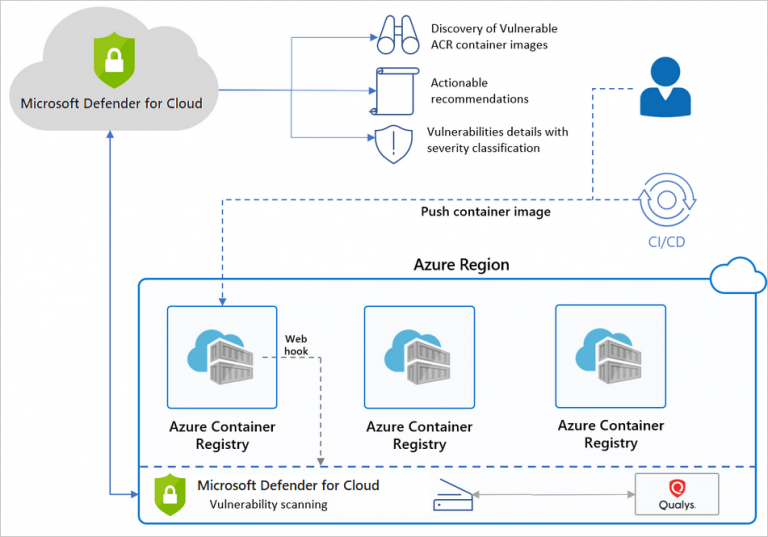
Per tutte le tipologie di erogazione, il Corsista può accedere alle attrezzature e ai sistemi presenti nei Nostri laboratori o direttamente presso i data center del Vendor o dei suoi provider autorizzati in modalità remota. Ogni partecipante dispone di un accesso per implementare le varie configurazioni avendo così un riscontro pratico e immediato della teoria affrontata. Ecco di seguito alcuni scenari tratti dalle attività laboratoriali:
Dettagli del corso
Prerequisiti
Si consiglia la partecipazione al Corso Azure Administrator.
Durata del corso
- Durata Intensiva 4gg;
Frequenza
Varie tipologie di Frequenza Estensiva ed Intensiva.
Date del corso
- Corso Azure Security Technologies (Formula Intensiva) – Su richiesta – 09:00 – 17:00
Modalità di iscrizione
Le iscrizioni sono a numero chiuso per garantire ai tutti i partecipanti un servizio eccellente.
L’iscrizione avviene richiedendo di essere contattati dal seguente Link, o contattando la sede al numero verde 800-177596 o inviando una richiesta all’email [email protected].