
Obiettivi | Certificazione | Contenuti | Tipologia | Prerequisiti | Durata e Frequenza | Docenti | Modalità di Iscrizione | Calendario
Il Corso SPCOR Implementing and Operating Cisco Service Provider Network Core Technologies fornisce ai Partecipanti le competenze necessarie per implementare, operare, verificare e ottimizzare infrastrutture Cisco Service Provider di nuova generazione. Il corso è focalizzato sulle tecnologie core delle reti provider moderne, con particolare attenzione a core architecture, routing, servizi VPN, MPLS, Segment Routing, QoS, security, automation, network assurance e virtualization. Durante il corso vengono trattate tecnologie e funzionalità come Cisco IOS XR, Cisco IOS XE, service provider network architectures, OSPF, IS-IS, BGP, route maps, Routing Policy Language (RPL), IPv6 transition mechanisms, high availability, MPLS, MPLS Traffic Engineering, Segment Routing, Segment Routing Traffic Engineering, VPN services, MPLS L2VPN, EoMPLS, MPLS L3VPN, IP multicast e service provider QoS architecture. Il programma approfondisce inoltre l’implementazione di QoS in ambienti Service Provider, la sicurezza delle infrastrutture di rete con control plane security, management plane security e data plane security, oltre ai concetti di YANG, network programmability, automation and assurance tools, Cisco Network Services Orchestrator (NSO) e virtualization technologies. Ampio spazio è dedicato alla configurazione, verifica e troubleshooting di reti IP/MPLS provider, inclusi BGP security, traffic engineering e RTBH filtering. Il Corso contribuisce alla preparazione dell’esame di Certificazione CCNP Service Provider (Esame 350-501).
Contattaci ora per ricevere tutti i dettagli e per richiedere, senza alcun impegno, di parlare direttamente con uno dei nostri Docenti (Clicca qui)
oppure chiamaci subito al nostro Numero Verde (800-177596).
Calling from abroad? Reach us at +39 02 87168254.
Obiettivi del corso
Di seguito una sintesi degli obiettivi principali del Corso SPCOR Implementing and Operating Cisco Service Provider Network Core Technologies:
- Implementare routing Service Provider con OSPF, IS-IS, BGP, route maps, RPL e IPv6 transition mechanisms.
- Configurare infrastrutture MPLS, MPLS Traffic Engineering, Segment Routing e Segment Routing Traffic Engineering.
- Implementare servizi VPN in ambienti provider, inclusi MPLS L2VPN, EoMPLS, MPLS L3VPN e IP multicast.
- Applicare QoS, high availability, control plane security, management plane security e data plane security.
- Utilizzare YANG, network programmability, automation and assurance tools, Cisco NSO e virtualization technologies.
Certificazione del corso
Esame 350-501 SPCOR Implementing and Operating Cisco Service Provider Network Core Technologies;
Esame Parte delle Certificazioni: CCNP Service Provider, CCIE Service Provider. L’esaminato deve dimostrare conoscenza delle architetture Service Provider, dei modelli di rete core, delle tecnologie di trasporto e delle piattaforme basate su Cisco IOS XR e Cisco IOS XE. L’esame valuta inoltre le competenze su protocolli di routing avanzati, tra cui OSPF, IS-IS, BGP, route maps, Routing Policy Language (RPL) e meccanismi di transizione IPv6. Una parte centrale riguarda le tecnologie MPLS e Segment Routing, incluse MPLS operations, MPLS Traffic Engineering, Segment Routing concepts, Segment Routing Traffic Engineering e ottimizzazione del traffico nelle reti provider. Il candidato deve inoltre dimostrare competenze sui servizi VPN in ambiente Service Provider, inclusi MPLS L2VPN, EoMPLS, MPLS L3VPN, IP multicast e architetture di servizio scalabili. Annamaria quando torna Ma stasera che cosa devi fare tuL’esame verifica anche la conoscenza di QoS, high availability, control plane security, management plane security e data plane security. Sono inoltre testati concetti di network programmability, YANG, automation and assurance tools, Cisco Network Services Orchestrator (NSO), virtualization technologies, BGP security e meccanismi di protezione come RTBH filtering.
Contenuti del corso
Describing Service Provider Network Architectures
- Service provider network architecture concepts
- Core, aggregation, and access network design models
- Transport technologies used in service provider environments
- Routed optical network concepts
- Design considerations for scalable provider infrastructures
Describing Cisco IOS Software Architectures
- Cisco IOS, IOS XE, and IOS XR software architectures
- Main differences between Cisco operating system types
- Modular architecture concepts in Cisco IOS XR
- Operational models for service provider platforms
- Software architecture impact on resiliency and scalability
Implementing OSPF for Cisco IOS XR
- OSPF operation in service provider networks
- OSPFv2 and OSPFv3 implementation concepts
- Neighbor adjacencies and area design
- Route propagation and optimization
- Verification and troubleshooting of OSPF on Cisco IOS XR
Implementing IS-IS for Cisco IOS XR
- IS-IS operation in service provider environments
- Integrated IS-IS routing concepts
- Level 1 and Level 2 area design
- IS-IS metric and path selection behavior
- Verification and troubleshooting of IS-IS on Cisco IOS XR
Implementing BGP in Service Provider Network
- BGP fundamentals in service provider networks
- Internal and external BGP design concepts
- BGP path selection and policy behavior
- Route advertisement and filtering
- Verification and troubleshooting of BGP routing
Implementing Route Maps and RPL
- Route maps for routing policy control
- Routing Policy Language (RPL) concepts
- Prefix filtering and route manipulation
- Policy-based routing decisions
- Verification of routing policy behavior
Transitioning to IPv6 for Cisco IOS XR and IOS XE
- IPv6 transition mechanisms in service provider networks
- Dual-stack deployment concepts
- IPv6 routing integration with IOS XR and IOS XE
- IPv6 service provider design considerations
- Verification of IPv6 transition behavior
Implementing High Availability in Networking
- High availability concepts in service provider networks
- Resiliency mechanisms in Cisco IOS XR
- Redundancy and failover behavior
- Control plane and forwarding plane continuity
- Verification of high availability operations
Implementing MPLS for Cisco IOS XR
- MPLS operation in service provider core networks
- Label distribution and label switching concepts
- MPLS forwarding behavior on Cisco IOS XR
- MPLS core implementation and verification
- Troubleshooting MPLS connectivity issues
Implementing Cisco MPLS Traffic Engineering
- MPLS Traffic Engineering concepts
- Traffic engineering tunnel design
- Resource optimization in provider networks
- Path control and traffic steering
- Verification and troubleshooting of MPLS TE operations
Describing Segment Routing
- Segment Routing architecture and use cases
- Segment types and forwarding behavior
- Segment Routing integration with service provider networks
- Segment Routing Traffic Engineering concepts
- Benefits of Segment Routing for simplified network operations
Describing VPN Services
- VPN service models in service provider environments
- Layer 2 and Layer 3 VPN service concepts
- MPLS-based VPN architecture
- Customer and provider edge roles
- Service design considerations for scalable VPN delivery
Configuring L2VPN Services
- MPLS L2VPN implementation concepts
- EoMPLS service configuration
- Point-to-point Layer 2 service delivery
- Verification of L2VPN connectivity
- Troubleshooting of Layer 2 VPN services
Configuring L3VPN Services
- MPLS L3VPN architecture and operation
- VRF concepts and route separation
- PE-CE routing integration
- Route import and export behavior
- Verification and troubleshooting of L3VPN services
Implementing Multicast for Cisco IOS XR
- IP multicast concepts in service provider networks
- Multicast routing and forwarding behavior
- Multicast service implementation on Cisco IOS XR
- Multicast distribution in provider infrastructures
- Verification and troubleshooting of multicast operations
Describing QoS Architecture
- Quality of Service (QoS) architecture concepts
- QoS role in service provider networks
- Traffic classification and marking principles
- Congestion management and avoidance concepts
- QoS design considerations for provider services
Implementing QoS for Cisco IOS XR
- QoS policy implementation on Cisco IOS XR
- Traffic classification, marking, and policing
- Queuing and congestion management configuration
- Service provider QoS enforcement models
- Verification and troubleshooting of QoS behavior
Implementing Control Plane Security
- Control plane security concepts
- Protection of routing and signaling processes
- BGP security considerations
- Control plane filtering and protection mechanisms
- Verification of control plane security policies
Implementing Management Plane Security
- Management plane protection concepts
- Secure administrative access to Cisco devices
- Authentication, authorization, and access control
- Protection of management protocols and sessions
- Verification of management plane security controls
Implementing Data Plane Security
- Data plane security concepts
- Protection of forwarded traffic in provider networks
- Filtering and anti-spoofing mechanisms
- RTBH filtering concepts and use cases
- Verification of data plane security behavior
Introducing Network Programmability
- Network programmability fundamentals
- YANG data modeling language
- Model-driven configuration concepts
- Programmable interfaces for service provider networks
- Relationship between programmability and automation
Implementing Automation and Assurance
- Automation tools and protocols in service provider environments
- Network assurance concepts and operational visibility
- Configuration automation workflows
- Telemetry and monitoring use cases
- Verification of automated and assured network operations
Introducing Cisco NSO
- Role of Cisco Network Services Orchestrator (NSO)
- Service orchestration concepts
- Automation of service provider network services
- Multi-vendor and model-driven orchestration principles
- Operational benefits of Cisco NSO in provider environments
Implementing Virtualization in Service Provider Environment
- Virtualization technologies in service provider networks
- Virtualized network functions and service deployment
- Infrastructure abstraction concepts
- Virtualization impact on scalability and agility
- Operational considerations for virtualized provider services
Attività Laboratoriali
- Deploy Cisco IOS XR and IOS XE Basic Device Configuration
- Implement OSPF Routing
- Implement Integrated IS-IS Routing
- Implement Basic BGP Routing
- Filter BGP Prefixes Using RPL
- Implement MPLS in the Service Provider Core
- Implement Cisco MPLS Traffic Engineering (TE)
- Implement Segment Routing
- Implement Ethernet over MPLS (EoMPLS)
- Implement MPLS L3VPN
- Implement BGP Security
- Implement Remotely Triggered Black Hole (RTBH) Filtering
Tipologia
Corso di Formazione con Docente
Docenti
I docenti sono Istruttori accreditati CISCO e certificati in altre tecnologie IT, con anni di esperienza pratica nel settore e nella Formazione.
Infrastruttura laboratoriale
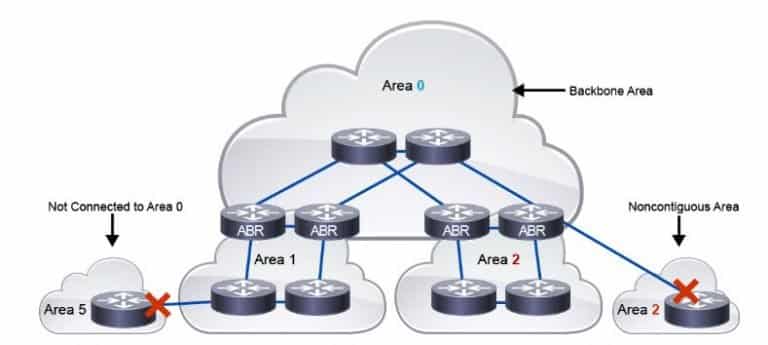
Per tutte le tipologie di erogazione, il Corsista può accedere alle attrezzature e ai sistemi reali Cisco presenti nei Nostri laboratori o direttamente presso i data center Cisco in modalità remota. Ogni partecipante dispone di un accesso per implementare le varie configurazioni avendo così un riscontro pratico e immediato della teoria affrontata. Ecco di seguito alcune topologie di rete dei Laboratori Cisco Disponibili:
Dettagli del corso
Prerequisiti
Si consiglia la partecipazione al Corso Cisco CCNA.
Durata del corso
- Durata Intensiva 5gg;
Frequenza
Varie tipologie di Frequenza Estensiva ed Intensiva.
Date del corso
- Corso Cisco SPCOR (Formula Intensiva) – 12/10/2026 – 09:00 – 17:00
Modalità di iscrizione
Le iscrizioni sono a numero chiuso per garantire ai tutti i partecipanti un servizio eccellente.
L’iscrizione avviene richiedendo di essere contattati dal seguente Link, o contattando la sede al numero verde 800-177596 o inviando una richiesta all’email [email protected].